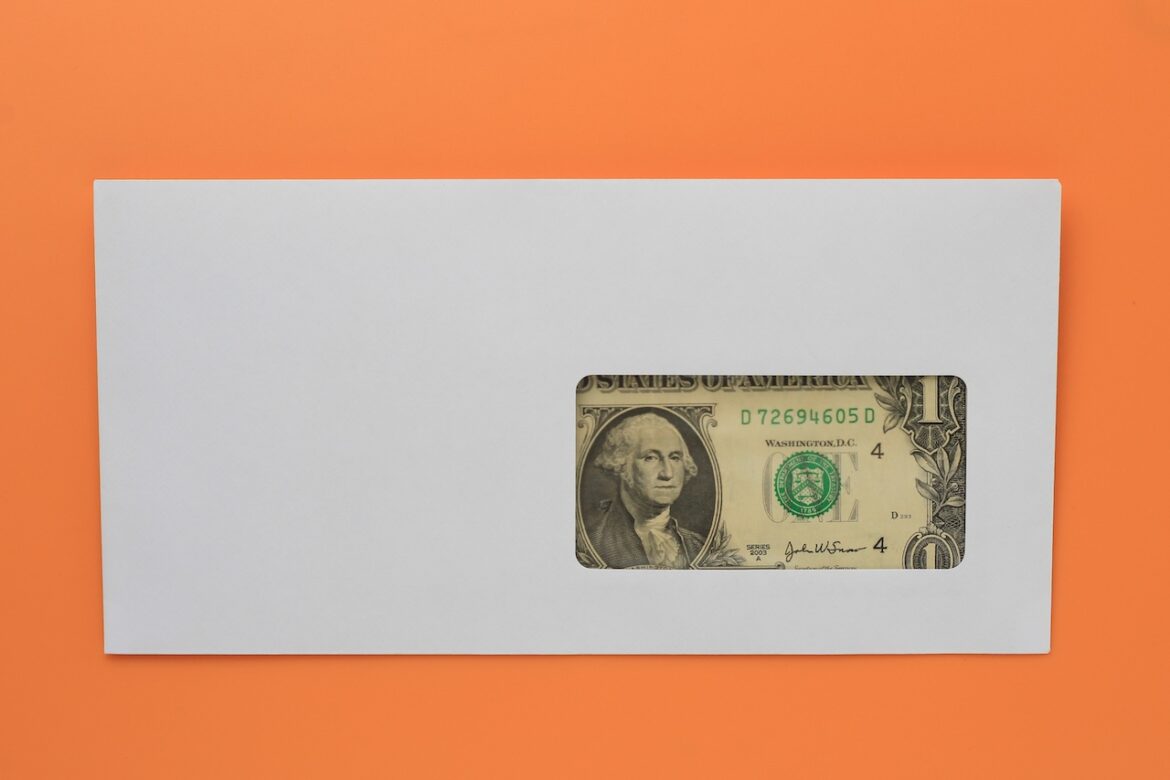
When it comes to communicating sensitive information, the medium is just as important as the message. In the financial sector, where trust and security are non-negotiable, the method of delivery can make or break a customer’s confidence. While email is fast and cost-effective, it falls short in key areas where physical mail excels. For banks, investment firms, and insurance companies, leveraging direct mail for financial services is not an outdated strategy but a secure and impactful way to deliver sensitive offers and build lasting client relationships.
Building a Foundation of Trust and Security
Cybersecurity threats are a constant concern for consumers. Phishing scams, where fraudulent emails mimic legitimate financial institutions to steal personal information, have made people rightfully wary of digital communications. An unsolicited email with an incredible loan offer or investment opportunity is often met with immediate suspicion. It is difficult for the average person to distinguish a genuine email from a sophisticated fake.
Direct mail, however, provides a tangible sense of security. A professionally printed letter arriving in a sealed envelope from a known financial institution feels inherently more trustworthy. It bypasses the digital vulnerabilities of hacking and phishing, providing a secure channel for delivering pre-approved credit card offers, mortgage rates, or personal loan information. This physicality creates a perception of legitimacy and importance that a fleeting email simply cannot match.
Cutting Through the Digital Clutter
The modern inbox is a battlefield for attention. Promotional emails, newsletters, and notifications create a constant stream of digital noise, making it easy for important messages to be overlooked, deleted, or sent directly to spam. The chances of a sensitive financial offer being seen, let alone considered, are slim when it’s wedged between a retail sale alert and a social media notification.
Physical mail offers a direct line to the customer in a less saturated environment. People are more inclined to sort through their physical mail with focused attention. This tactile experience forces a moment of consideration, ensuring that your offer is seen. Studies show that direct mail has a significantly longer lifespan in a household compared to an email, giving the recipient more time to review the offer and make an informed decision without digital distractions.
Enhancing Perceived Value and Seriousness
The effort and cost associated with sending a physical piece of mail signal to the recipient that the offer is serious and valuable. An email costs virtually nothing to send, which can devalue its content. In contrast, a high-quality mail piece—with official branding, personalized details, and clear, secure packaging—communicates investment and importance.
For sensitive financial offers, this perceived value is critical. It tells the customer that the institution has carefully selected them for a specific opportunity. This sense of exclusivity and importance can significantly increase response rates. When a customer feels valued and secure, they are much more likely to engage with the offer and take the desired action, whether that is applying for a loan or opening a new investment account.
A Reliable Channel for Important Communication
In the financial services industry, communicating sensitive offers requires a method that prioritizes security, builds trust, and guarantees attention. While digital marketing has its strengths, email is often not the right tool for high-stakes communication. Direct mail provides a secure, tangible, and impactful way to reach customers, cut through the digital noise, and convey the seriousness of your offer. By integrating physical mail into their communication strategies, financial institutions can foster greater client confidence and achieve better engagement on their most important offers.