You have likely heard about “hard” and “soft” water, but there is another important term in water quality that you should know: water conditioning. While often confused with water softening, conditioning offers a different approach to improving the water in your home or business. Understanding this distinction can help you choose the right solution, and professional water conditioning services can provide tailored systems to address your specific water quality issues.
What Is Water Conditioning?
Water conditioning refers to a range of treatments that alter the characteristics of your water without removing the minerals. Unlike water softeners that use a process called ion exchange to swap out calcium and magnesium ions for sodium ions, a water conditioner changes the chemical structure of these minerals.
The primary goal of a water conditioner is to prevent the minerals from forming scale, which is the hard, chalky deposit that builds up inside pipes, on fixtures, and in appliances. By altering the minerals’ state, they remain suspended in the water and flow freely through your plumbing system instead of clinging to surfaces. This process is often referred to as scale prevention or descaling.
How Is It Different from Water Softening?
The key difference lies in the method and the result.
- Water Softening: This process physically removes the “hard” minerals (calcium and magnesium) from the water and replaces them with sodium. This is why softened water often feels slick or silky. It requires salt to regenerate the resin beads that trap the minerals.
- Water Conditioning: This process does not remove the minerals. Instead, it uses various technologies—such as magnetic fields or catalytic media—to change the minerals’ properties so they cannot form scale. Because the minerals are still present, the water doesn’t have that “slick” feeling, and the systems are typically salt-free.
Choosing between the two depends on your goals. If your primary concern is eliminating scale buildup to protect your pipes and appliances, a water conditioner is an excellent, low-maintenance choice. If you also want the other benefits of soft water, like better soap lather and softer skin, a traditional water softener might be more suitable.
Key Benefits of Water Conditioning
Even without removing minerals, water conditioning offers significant advantages for any property owner.
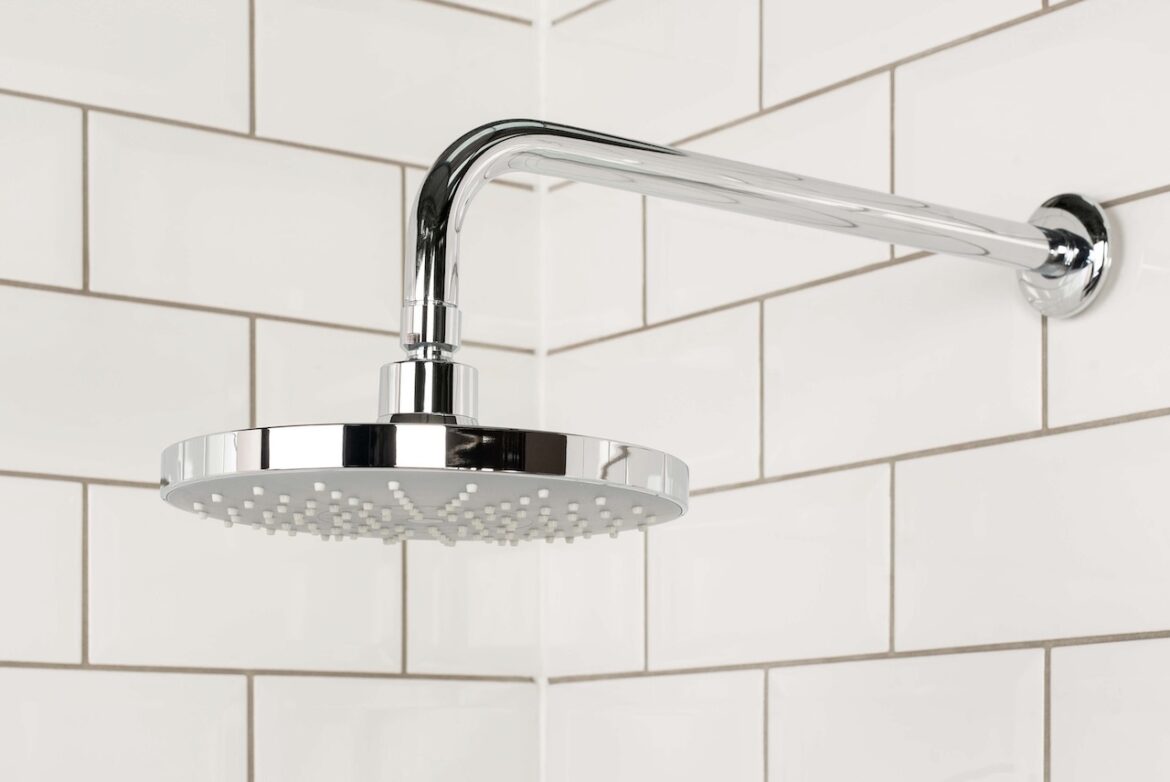
- Prevents Scale Buildup: This is the main benefit. By preventing scale, you extend the life and improve the efficiency of your water heater, dishwasher, coffee maker, and other water-using appliances. It also keeps your showerheads and faucets free from clogs.
- Reduces Existing Scale: Many conditioning systems not only prevent new scale from forming but can also help to gradually break down and dissolve existing scale buildup within your plumbing system. Over time, this can improve water flow and pressure.
- Low Maintenance and Eco-Friendly: Most water conditioners are salt-free and do not require the routine maintenance of adding heavy bags of salt. They also don’t produce a brine discharge, making them a more environmentally friendly option.
- Retains Healthy Minerals: Calcium and magnesium are essential nutrients for the human body. Because water conditioners leave these beneficial minerals in the water, you still get their dietary benefits when you drink it.
A Smart Choice for Your Home
Water conditioning provides a modern, efficient, and eco-friendly way to combat the negative effects of hard water without the need for salt or chemicals. By preventing damaging scale buildup, it protects your plumbing and appliances, saving you money on repairs and replacements in the long run. If you are tired of dealing with clogged fixtures and inefficient appliances, exploring a water conditioning system is a smart step toward better water quality and a more efficient home.